Source Horizontal Desktop Automatic Microtome for Lab, Hospital, School
Find 30 horizontal desktop automatic microtome options for laboratory, hospital, and school applications. Compare models like KD3358 and YD-355AT, featuring semi-automatic and automatic performance with slice thicknesses ranging from 0.25 to 60 micrometers for precise tissue sectioning; compare the available evidence and request quotations based on your requirements.
Key considerations
Products List


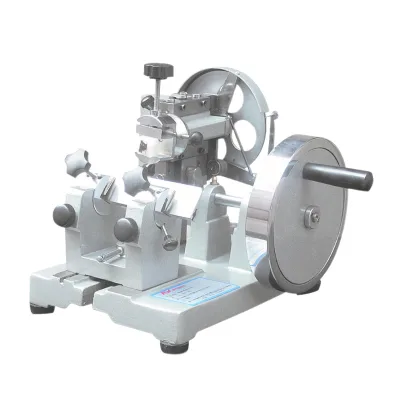


Comprehensive Sourcing Guide
Horizontal Desktop Automatic Microtome Sourcing Guide
Procuring a horizontal desktop automatic microtome requires distinguishing between models designed for routine histology and those optimized for specialized physiological monitoring. The observed market data indicates a diverse range of capabilities, from semi-automatic units with manual sectioning to fully automatic systems featuring digital displays and computer interfaces. Buyers must carefully align the machine's automation level with their laboratory's throughput needs, as the distinction between "Semi-automatic" and "Automatic" performance modes directly impacts operational efficiency and staff training requirements.
The physical footprint and sectioning capabilities vary significantly across available listings, with some units offering a maximum section size of 50 x 50 mm while others specify precise dimensions like 520x430x330 mm. When evaluating options, procurement teams should verify the specific range of slice thickness, which can span from 0.25 to 60 micrometers in certain models, or extend up to 999 micrometers in others. This variance dictates suitability for different tissue types, ensuring the selected instrument can handle the required sample thickness without compromising the integrity of the biological diagnostics or pathological analysis.
Product Scope and Observed Listing Signals
The product landscape for horizontal desktop automatic microtomes includes classifications ranging from physiological function monitoring equipment to general biological diagnostics tools. Listings frequently highlight specific target groups, such as infants, young children, or middle-aged and elderly populations, suggesting specialized applications in clinical settings. Buyers should scrutinize the stated classification to ensure the device aligns with the intended diagnostic workflow, whether it involves biochemistry analysis or digital imaging systems, as the regulatory type often dictates the necessary operational environment and user expertise.
Packaging and structural attributes provide critical clues about the intended deployment environment and logistics requirements. Observed data shows a mix of standard export packages, wooden cases, and carton boxes, with some units explicitly described as desktop structures suitable for laboratories, hospitals, and schools. The presence of optional accessories like clamps, remote control panels, and blade holders further refines the scope, allowing buyers to tailor the configuration to specific workflow constraints. Understanding these structural and accessory signals helps in estimating the total cost of ownership and the spatial requirements for installation.
Technical Specifications to Verify
Verification of the sectioning mechanism is paramount, as the processing method and sample type compatibility define the instrument's core utility. Buyers must confirm whether the device supports solid samples and operates under normal pressure and temperature conditions, as these environmental constraints affect the consistency of the cut. The distinction between manual and semi-automatic standards is crucial; while some models are labeled as "manual type," others boast high-quality ultra-thin semi-automatic features, requiring a clear assessment of the desired balance between operator control and automated precision.
Display technology and control interfaces represent another critical specification tier that influences user experience and data management. The market offers both digital displays and computer display options, which determine how easily operators can monitor section thickness and manage the cutting process. It is essential to verify the specific model number, such as KD-3358 or YD-355AT, against the required section thickness range, ensuring the machine can achieve the necessary resolution for high-quality medical professional instruments. Confirming these technical details prevents mismatches between the equipment's capabilities and the laboratory's diagnostic precision needs.
Compliance and Safety Documentation
Navigating the certification landscape is essential for ensuring that the microtome meets international safety and quality standards. The observed listings include a variety of certifications such as CE, FDA, ISO, MSDS, EEC, and SGS, indicating different levels of regulatory compliance depending on the target market. Procurement teams must verify which specific certifications apply to the exact model being purchased, as the presence of one certification does not guarantee the validity of others for the same unit. This verification is critical for maintaining regulatory adherence in healthcare facilities and ensuring the device is legally marketable in the intended region.
Safety documentation extends beyond certifications to include the device's classification and regulatory type within the medical device framework. Some units are categorized under specific regulatory types like "Type 1" or "Biochemistry Analyzer," which influences the required maintenance protocols and user training. Buyers should request detailed safety data sheets and compliance certificates that explicitly match the product model, ensuring that the equipment adheres to the necessary standards for handling biological samples. This due diligence mitigates legal risks and ensures the safety of laboratory personnel handling the instrument.
Cost Drivers and Commercial Terms
The pricing structure for horizontal desktop automatic microtomes is influenced by the level of automation, the complexity of the control system, and the included accessories. Observed price ranges are broad, reflecting the diversity from basic semi-automatic units to advanced automatic systems with computer interfaces. Buyers should analyze the cost drivers associated with specific features, such as the inclusion of remote control panels or specialized blade holders, to understand the value proposition of each listing. This analysis helps in budgeting accurately and avoiding unexpected costs related to necessary add-ons that were not initially included in the base price.
Commercial terms, including minimum order quantities and warranty provisions, play a significant role in the total procurement cost. While some listings indicate an MOQ of 1, others may have different terms depending on the customization options selected. The standard warranty period observed is typically one year, but buyers should negotiate terms that cover potential defects in the semi-automatic or automatic mechanisms. Additionally, the packing method, whether standard export packages or wooden cases, can impact shipping costs and insurance requirements, necessitating a comprehensive review of the commercial agreement before finalizing the purchase.
Supplier Qualification and Quality Control
Supplier qualification involves verifying the origin and manufacturing standards of the microtome to ensure consistent quality and reliability. The observed data points to origins in Jiangsu and Zhejiang, China, regions known for medical instrument manufacturing. Buyers should assess the supplier's track record in producing high-quality medical ultrathin semi-automatic microtomes and verify their adherence to standards like ISO and CE. Understanding the supplier's location and production capabilities helps in evaluating the potential for supply chain disruptions and the consistency of the product quality over time.
Quality control processes must be rigorously evaluated to ensure the microtome meets the specified performance standards. Buyers should inquire about the supplier's internal testing procedures for section thickness accuracy and the durability of the cutting mechanism. The presence of optional accessories like microtome blades and blade holders suggests a comprehensive approach to quality, but verification of the actual performance of these components is necessary. Establishing a clear quality control protocol with the supplier ensures that the delivered units perform reliably in demanding laboratory environments and meet the expected standards for medical diagnostics.
Long-Term Procurement Checks
Long-term procurement success depends on the availability of spare parts and the supplier's commitment to after-sales support. Buyers should verify the availability of critical components such as blades, clamps, and control panels to minimize downtime during routine maintenance. The warranty period is a starting point, but a robust long-term agreement should include provisions for technical support, repair services, and the supply of consumables. Ensuring that the supplier can provide timely assistance is crucial for maintaining the operational efficiency of the horizontal desktop automatic microtome in a busy laboratory setting.
Future-proofing the procurement decision requires assessing the adaptability of the microtome to evolving laboratory needs and technological advancements. Buyers should consider whether the device can be upgraded with new software or accessories as diagnostic requirements change. The classification of the equipment as a physiological function monitoring tool or a biological diagnostic device suggests specific long-term utility, but flexibility is key. Establishing a relationship with a supplier who offers continuous support and updates ensures that the investment remains relevant and effective for years, protecting the laboratory's operational continuity and diagnostic capabilities.
FAQs
What is the slice thickness range for horizontal desktop automatic microtomes?
The slice thickness range typically spans from 0.25 to 60 micrometers. This wide interval allows for precise sectioning of various tissue samples. Users can adjust the settings to achieve the desired thinness for optimal microscopic examination and diagnostic accuracy in laboratory environments.
Can horizontal desktop automatic microtomes be customized for specific needs?
Yes, customization is available for many models to suit specific laboratory requirements. Buyers can often select from various optional accessories such as clamps, remote control panels, or specialized blade holders. This flexibility ensures the equipment integrates seamlessly into existing workflow processes and handles diverse sample types effectively.
Which certifications are commonly associated with these microtome devices?
Common certifications include CE, FDA, ISO, and SGS. These credentials verify that the device meets international safety and quality standards for medical and laboratory use. Buyers should verify specific certification lists for each model to ensure compliance with local regulatory requirements and institutional procurement policies.
How is the performance classification defined for automatic microtomes?
Performance is generally classified as automatic or semi-automatic depending on the model. Automatic versions feature digital displays and computer interfaces for enhanced precision. Semi-automatic options may offer manual controls with digital readouts. This classification helps buyers select the appropriate level of automation for their specific diagnostic or research tasks.
What is the typical warranty period for these medical instruments?
The typical warranty period is one year for standard models. This coverage usually includes parts and labor for manufacturing defects. Buyers should review the specific warranty terms provided by the supplier to understand the scope of support, including potential extensions or specific exclusions for high-wear components like blades.
What are the standard packaging options for shipping these devices?
Standard packaging options include cartons, wooden cases, or standard export packages. The choice often depends on the device size and shipping requirements. For instance, some models are packed in single cartons, while larger units may require wooden cases for protection. Proper packaging ensures the instrument arrives without damage.